
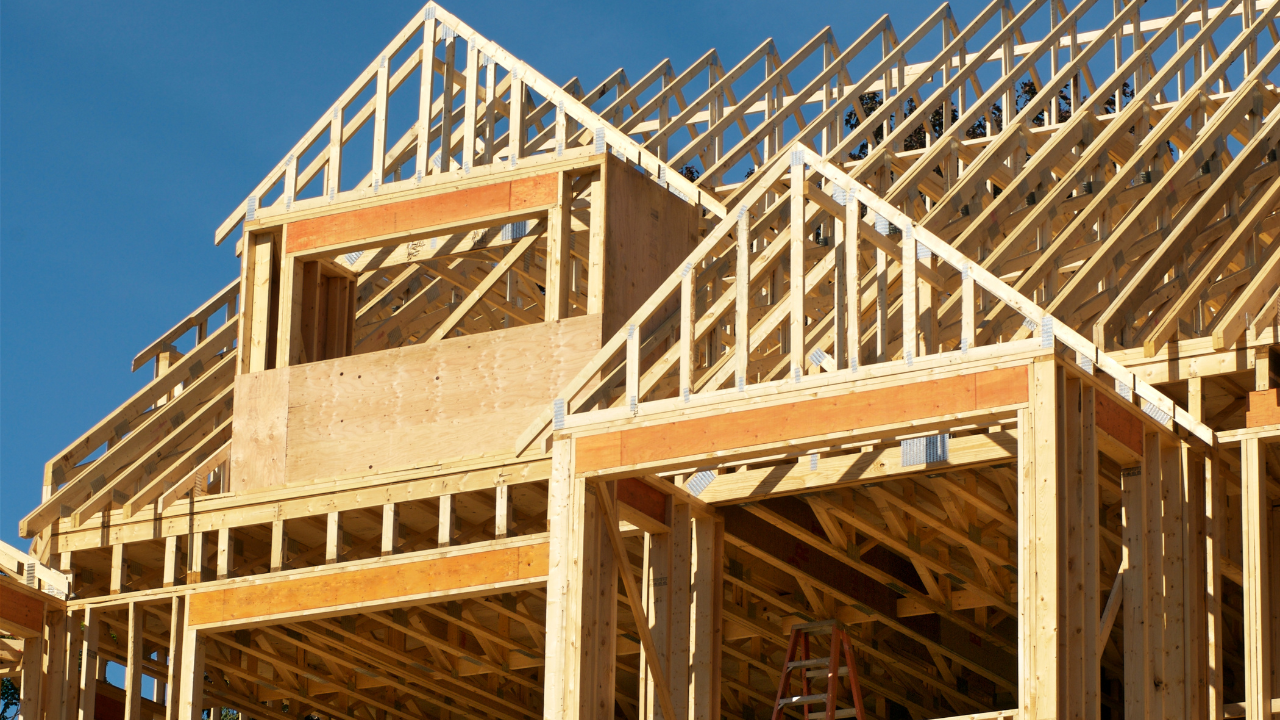
Build-to-Rent (BTR): Investing in the Fastest-Growing Sector of 2026
Build‑to‑rent is the strategy of developing or buying homes that are purpose‑built to be rentals rather than owner‑occupied, and it is one of the fastest‑expanding corners of the 2026 housing market. Entire communities of new single‑family homes and townhomes are being designed for long‑term renters who want “home‑like” living without the cost or commitment of ownership, creating a clear opportunity for beginners to plug into this trend through crowdfunding or turnkey new‑construction rentals.
Why BTR Is Booming In 2026
BTR demand is rising because many households are priced out of ownership but still want space, privacy, and modern amenities.
-
Single‑family BTR communities have grown from a niche segment to an estimated mid‑single‑digit share of new rental supply by 2026, as developers respond to persistent affordability challenges and a large cohort of high‑earning renters by choice.
-
New‑build rentals offer tenants suburban‑style living with yards, garages, and community amenities, while giving investors professionally managed, relatively low‑maintenance assets with strong occupancy prospects in a market where renting remains a long‑term trend.
For investors, this means more opportunities to buy into professionally planned rental neighborhoods instead of stitching together scattered, older single‑family homes one by one.
Option 1: BTR Investing Through Crowdfunding Platforms
Real estate crowdfunding lets smaller investors buy shares of build‑to‑rent funds or specific BTR communities without handling construction or property management.
What this path usually looks like:
-
Platforms partner with developers or institutional operators who are building BTR neighborhoods—often large clusters of single‑family rentals or townhomes—and offer investors fractional ownership through funds, REIT‑like vehicles, or individual project deals.
-
Minimum investments can range from just a few hundred to several thousand dollars, allowing beginners to gain exposure to BTR cash flow and appreciation without needing to qualify for a construction loan or a seven‑figure purchase.
Key points to evaluate:
-
Strategy and markets: Look for sponsors focused on metros with strong job growth, migration, and rent fundamentals rather than purely speculative builds in oversupplied areas.
-
Fee structure and hold period: Understand acquisition, management, and performance fees, plus how long your capital will be locked up and how returns are projected to be split between income and appreciation.
-
Track record: Favor platforms and operators with a history of completed projects, stabilized BTR communities, and transparent reporting.
For a true beginner, crowdfunding can be a way to “learn the asset class with training wheels”—following quarterly updates and financials to see how BTR performs without the pressure of active management.
Option 2: Buying New‑Construction “Turnkey” BTR Rentals
The more hands‑on route is to purchase a newly built rental home (or small cluster of homes) in a BTR‑style community that is delivered ready to lease. Developers and builders are increasingly marketing these directly to individual investors.
Benefits of turnkey new‑build rentals:
-
Lower repairs and CapEx early on: New roofs, HVAC systems, plumbing, and appliances mean minimal near‑term maintenance, plus active warranties that can keep surprise costs low during the first years of ownership.
-
Stronger tenant appeal and predictable cash flow: Modern layouts, energy‑efficient construction, and community amenities can attract longer‑term renters willing to pay a premium for a “new‑home” experience, which supports more stable occupancy and rent collections.
What to watch when evaluating deals:
-
Location inside the metro: Proximity to employment centers, schools, and transportation matters just as much for BTR as for traditional rentals. Aim for communities with strong local demand, not just glossy marketing.
-
HOA and community rules: Some new communities have restrictions on short‑term rentals or specific requirements for landscaping, exterior appearance, and parking that affect your operating costs and flexibility.
-
True net cash flow: Underwrite using conservative rent assumptions, realistic property taxes, insurance (which can be rising), HOA dues, and a vacancy/maintenance reserve—even if everything is brand new.
Turnkey BTR often appeals to investors who want a simple buy‑and‑hold experience: close on a property, place a tenant (sometimes with the help of an in‑house management team), and collect rent rather than coordinating renovations.
How Builder-Funded Rate Buy-Downs Work
In a high‑rate environment, builders selling BTR‑oriented homes frequently offer interest‑rate incentives to make deals pencil out for investors.
Typical structures:
-
Temporary buy‑downs: The builder pays points up front to lower your interest rate for the first 1–3 years (for example, a “2‑1 buy‑down” where the rate is 2 percentage points lower in year one, 1 point lower in year two, then resets). This can boost early cash flow while you stabilize the property.
-
Permanent buy‑downs: The builder contributes toward closing costs that are applied to discount points, permanently reducing the rate over the life of the loan, which improves long‑term cash flow.
How to analyze them:
-
Compare the payment and total interest cost with and without the buy‑down, and treat the builder credit like any other concession—often it is baked into the sale price.
-
Stress‑test your numbers at the fully indexed rate (after temporary buy‑downs expire) to make sure the deal still makes sense if you do not refinance as quickly as hoped.
-
Confirm whether lender guidelines for investment properties (down payment, reserves, DSCR tests) are satisfied even at the higher “normal” rate.
In many 2026 deals, a solid builder‑funded buy‑down is the difference between a marginal BTR cash flow and a property that comfortably covers principal, interest, taxes, and insurance from day one.
Getting Started Safely As A Beginner
Whether you choose crowdfunding or turnkey ownership, approach BTR with the discipline of a professional.
For crowdfunding and pooled BTR investments:
-
Read offering documents carefully, focusing on the business plan (build, lease‑up, hold, exit), projected rent growth, and risk factors.
-
Diversify across multiple deals or funds rather than putting all your capital in a single community or operator.
For direct turnkey BTR purchases:
-
Underwrite conservatively: assume slower rent growth and occasional concessions in the short term, especially in markets with lots of new rental supply, even if the long‑term outlook is strong.
-
Plan for asset management: decide upfront whether you’ll use third‑party property management (common in BTR communities) and how those fees affect your returns.
-
Align with your time horizon: BTR is best suited to multi‑year holds; much of the upside comes from gradual rent growth and neighborhood maturation, not quick flips.
In a 2026 market where many families will rent longer than they once expected, build‑to‑rent lets individual investors align themselves with that structural shift instead of fighting it. Whether through a crowdfunding stake in a professionally managed BTR portfolio or by owning a handful of new‑construction rentals with builder‑sweetened financing, beginners have more ways than ever to participate in the sector that is quietly becoming the backbone of America’s next generation of rental housing.
More Articles

Creative Financing: How to Buy Property Without a Traditional Bank Loan

Build-to-Rent (BTR): Investing in the Fastest-Growing Sector of 2026

The 2026 House Hacking Guide: How to Live for Free in a High‑Rate Market

When is the Best Time to Buy a House?

How to Navigate Cash Offers as a Seller
Consistency you can count on
Constancy llc was created to put good people in to good homes in good neighborhoods, and we can only do that with your help.
© 2026 Constancy LLC | All rights reserved.